

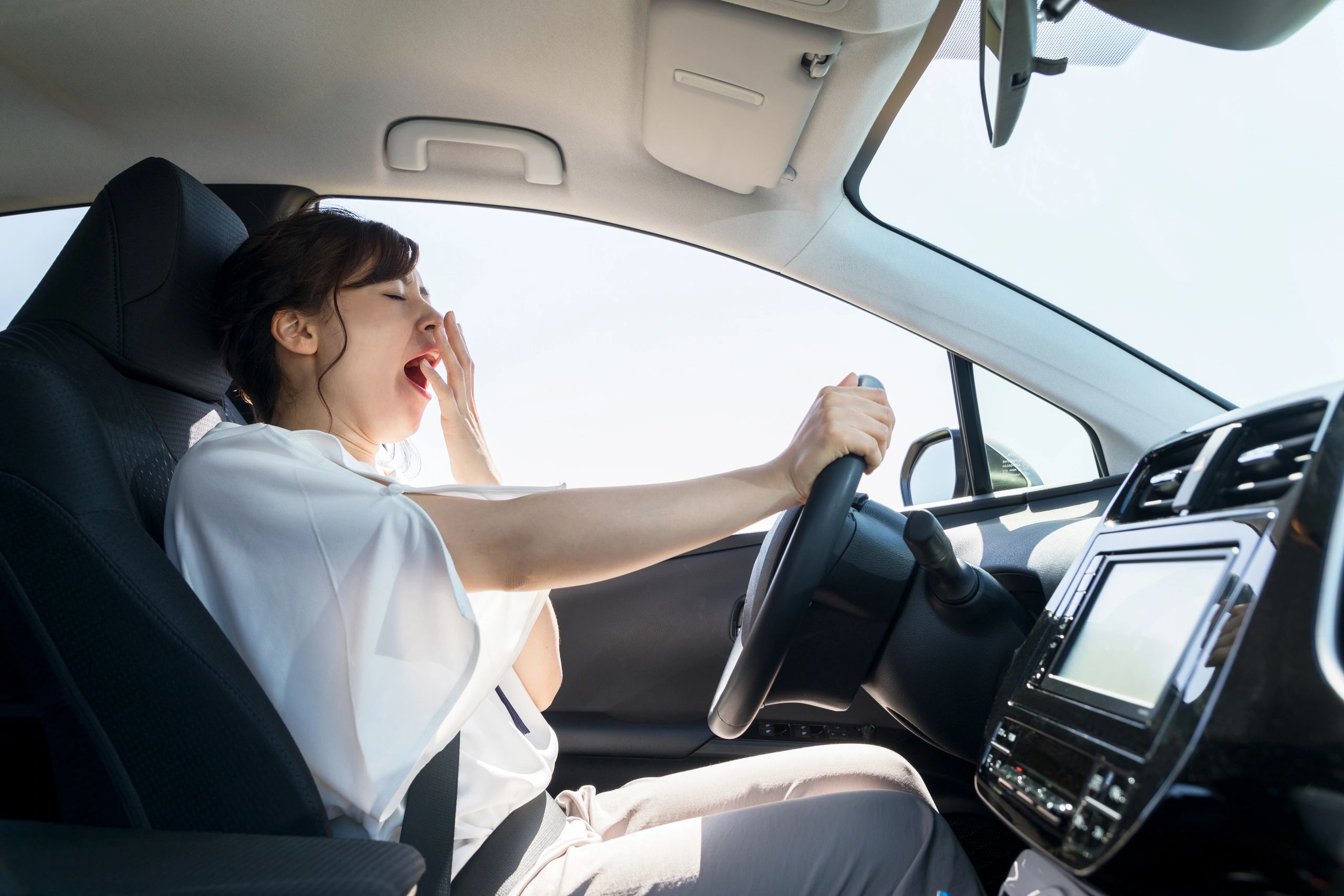
Safely operating a motor vehicle requires all your attention. But when someone is sleepy while behind the wheel, this is known as drowsy driving, and it can significantly increase the risk of accidents. In fact, drowsy driving alone leads to many injuries and fatalities every year. However, since it’s often difficult to determine whether drowsy driving was the cause of an accident – especially when it leads to fatalities – it likely goes under-reported.
Accidents that occur due to drowsy driving are completely preventable. That’s why it’s so important to understand all about it and how you can prevent it.
The Dangers of Drowsy Driving
It’s important to understand that it’s not necessarily falling asleep the way we know it, that causes a lot of risk. Rather, it’s micro-sleeps that are proving to be quite dangerous while behind the wheel. Micro-sleeps occur when someone falls asleep for just a few seconds. While not full-fledged sleep, micro-sleeps can be so dangerous because all it takes for an accident to occur is a couple of seconds of not paying attention. Additionally, when someone micro-sleeps while driving at a high speed, it only increases the damage that such an accident can have.
But drowsy driving can be dangerous even if the driver doesn’t fall asleep at all. When the person behind the wheel is drowsy it causes them to be much less attentive to what’s going on around them. It also slows down their reaction time and makes it much more difficult to make decisions quickly that could ordinarily help to prevent accidents.
What Causes Drowsy Driving?
There are a variety of factors that can contribute to drowsy driving. Some of these include:
● Sleep disorders
● Sleep deprivation
● Medications
● Alcohol
● Time of day (the afternoon and midnight to 6am are much more dangerous as people are naturally more tired during these periods)
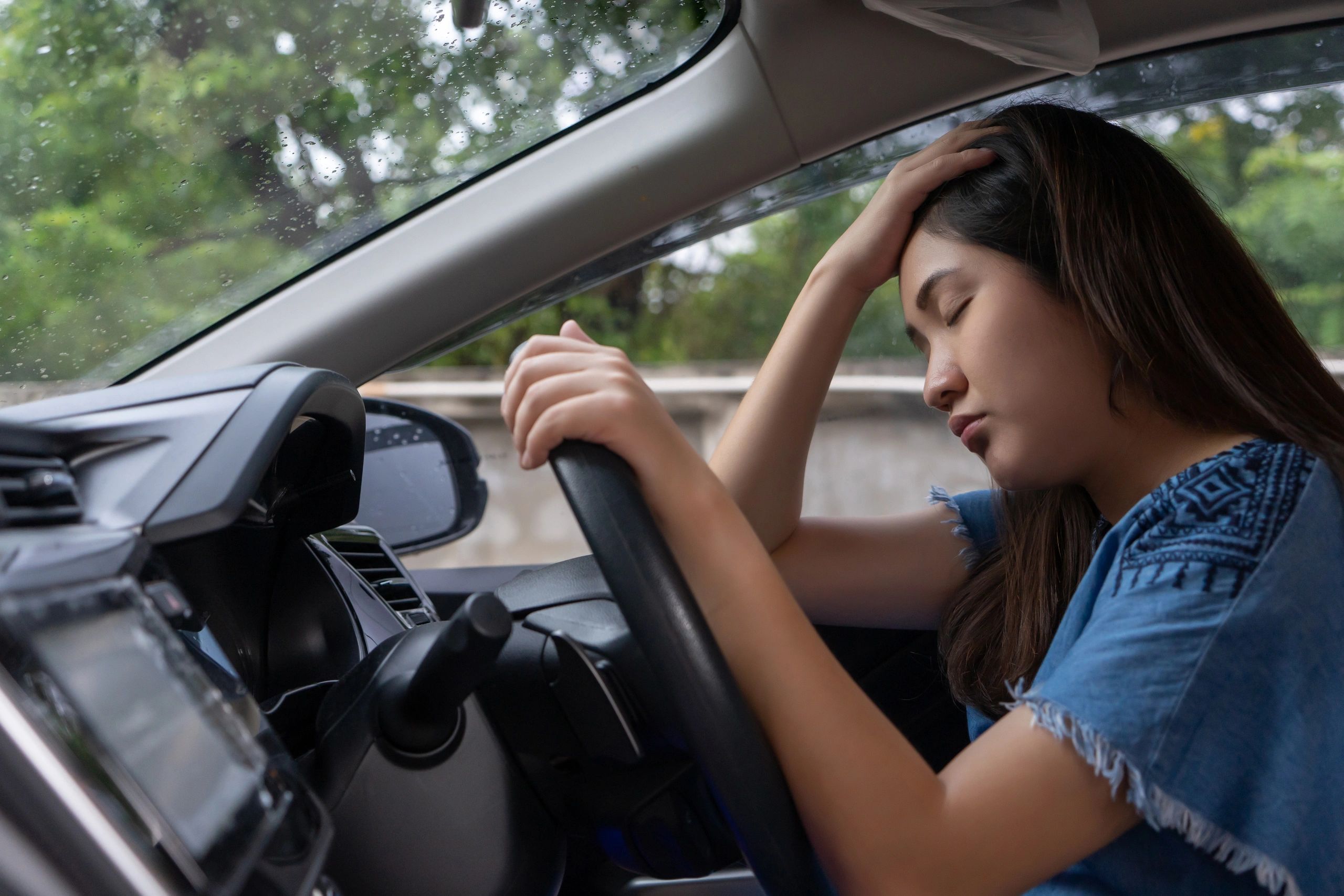
Signs that May Indicate You Are Becoming Drowsy
Sometimes you may feel wide-awake when you start driving but you become drowsy as you go. This often occurs with longer drives. That’s why it’s so important to pay attention to whether you are exhibiting any signs that mean it’s time to pull over and rest as soon as possible. Such signs include:
● Inability to remember the last few miles
● Drifting into other lanes
● Following too closely to the car in front of you
● Failing to maintain the right speed
● Frequently yawning
● Missing your exit
● Increased blinking
● Tired or droopy eyes
● Feeling that you are about to doze off
Preventing Drowsy Driving
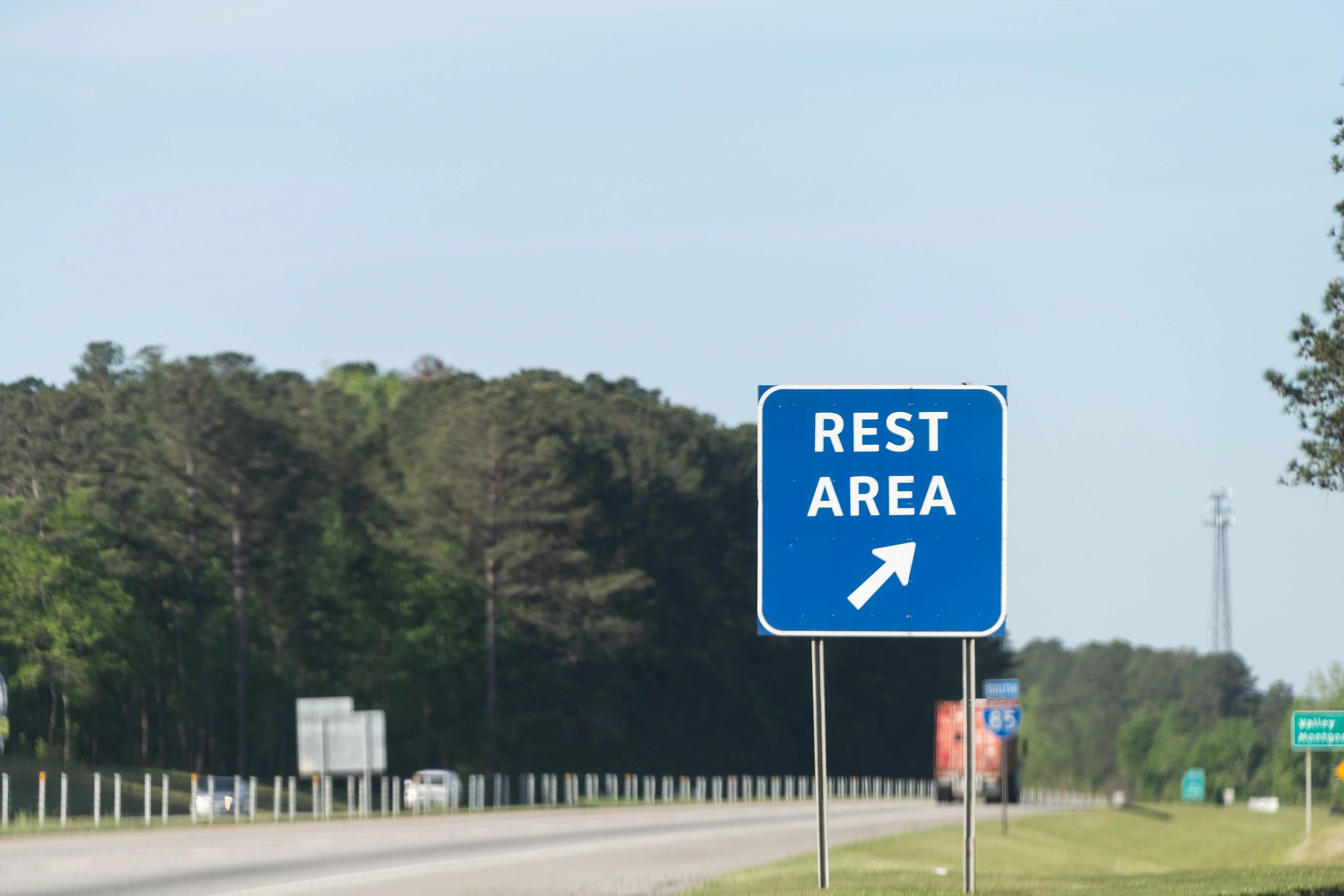
While you may not always be able to prevent drowsy driving (in which case it’s imperative you pull over and rest), there are certain things that you can do that can help.
● Try to reduce your driving during the aforementioned times of day
● Limit your total number of driving hours
● If you have a longer drive, be sure to build in stops along the way
● Avoid alcohol or prescription medication that causes drowsiness before driving
● Bring someone to keep you company
● Pay attention to the aforementioned signs that you are getting drowsy
● Use caffeine to help (but don’t solely rely upon it)
● Don’t try to concentrate on other things to stay awake behind the wheel as this can often only serve to further distract you
Ultimately, the best thing that you can do to protect against drowsy driving is to get enough sleep every night (7-8 hours). The quality of your sleep is also of great importance as it impacts how rested you will be. Therefore, you should also focus on sleep hygiene, which includes your sleep setting and your sleep habits.
If you or a loved one has been injured in an accident caused by a drowsy driver, you should not have to deal with it alone. That’s why it’s so important to consult with a knowledgeable and experienced Tennessee personal injury attorney who has experience with car accidents. He or she can help to explain your options and will fight for the compensation that you deserve.

Hurt in a wreck? Don't wait. Call Bates.
Talk to the lawyer whose name is on the door. Free consultation, no fee unless we win.
Call (423) 765-1215