

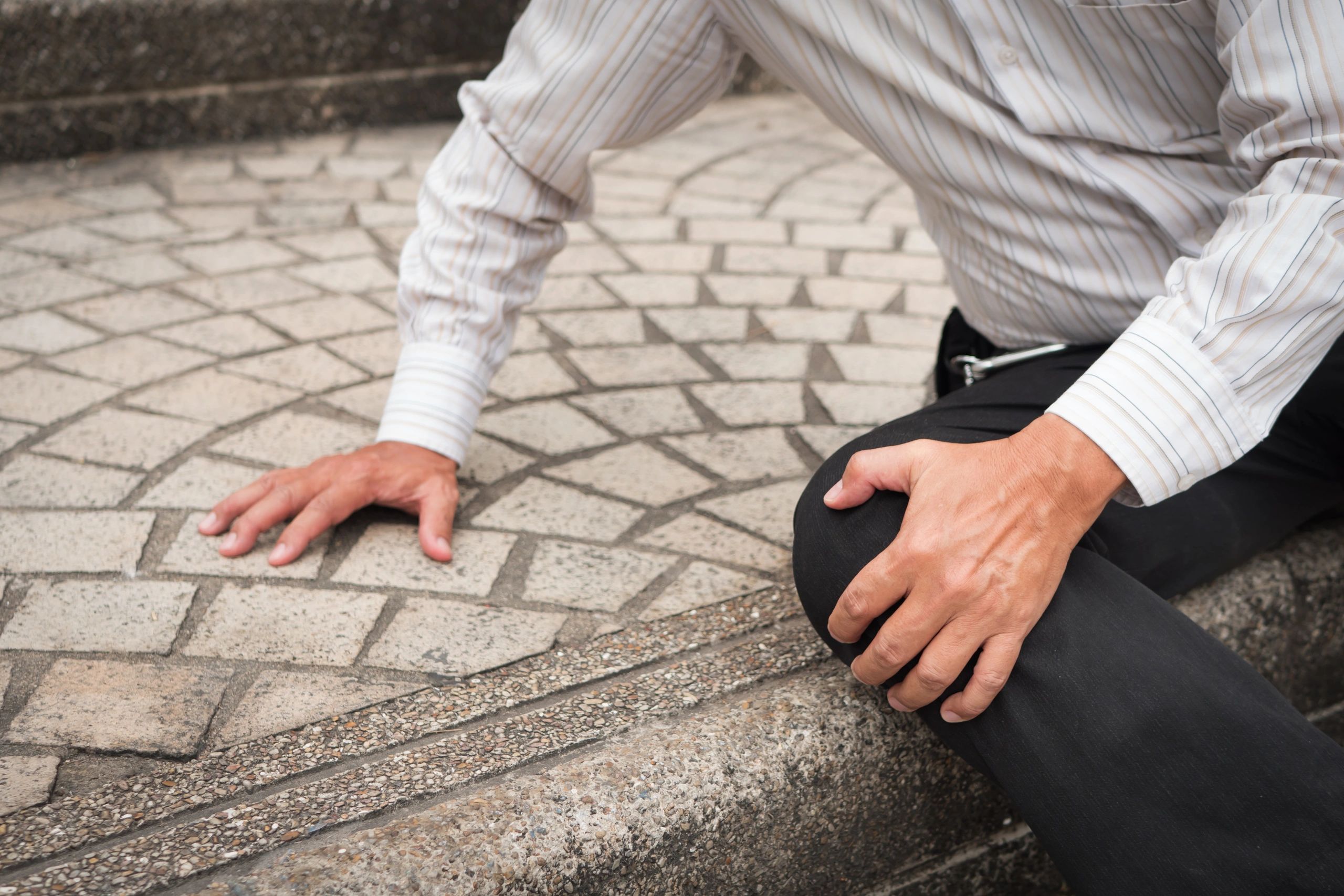
People fall in slip and fall accidents all the time. Most of the time, the only thing that is damaged is their pride, due to their embarrassment. In many cases, the fall really was not anyone’s fault in that it truly was an accident. Sometimes people just slip or trip, even over their own feet. But in some cases, the fault lies with the property owners who do not fix dangerous conditions on their property. Premise liability cases can be very complex, especially with proving that the defendant (the property owner in most cases) is liable or at fault for the injuries. There are many hoops that a plaintiff has to jump through before they can win their case. Robert Bates & Associates want people to understand the law of Tennessee slip and fall cases.
The Duty of Property Owners
Property owners have a duty to the people that are legally allowed on their property. This applies both to private property owners as well as commercial property owners such as retail stores and office buildings. The law states that this duty is to make sure the property is clear of dangerous conditions that might harm people legally on the property, or, at the very least, warn people of potential dangers. For example, someone who owns a house has to make sure their sidewalk is clear of ice and snow after a winter storm. Or a grocery store has to make sure there are no slippery substances on their tile floor that customers won’t see because they are looking at the shelves. The duty also extends to warning of dangers, such as marking a sidewalk that is seriously uneven and could be a tripping hazard with bright orange paint. If the property owner fails in this duty, they could be held responsible for any injuries that were caused by the property defect.
Knew or Should Have Known of the Danger
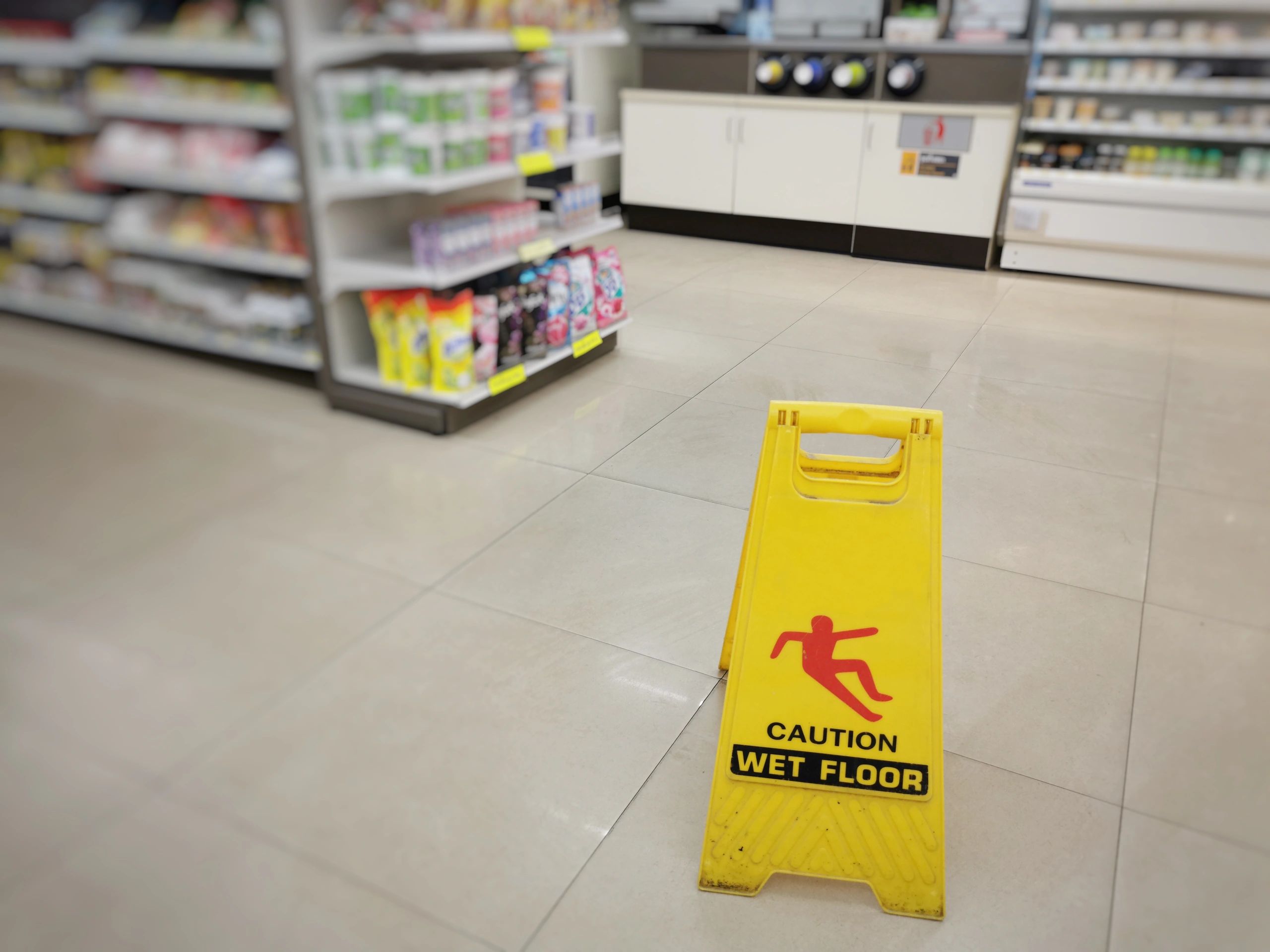
A plaintiff who was injured by a dangerous condition on a property has to also show that the property owner (or whoever was responsible for the property such as a tenant or property management company) knew of the dangerous condition or should have known of it. A property owner would be hard pressed to argue that they didn’t know about the dangers of falling branches from a tree when large branches fell from the same tree during the last three storms. Here are some ways to prove that a defendant property owner knew of the condition or should have known:
● Incident or police reports filled out at the accident scene or reports from prior, similar accidents involving the same dangerous condition;
● Statements from witnesses who may have seen the accident occur or the situation leading up to the incident, especially if the condition was obvious to the naked eye;
● Photos or videotape evidence, which can prove the existence of potentially dangerous conditions and how they factored into the accident; and
● Emails, letters, bills, repair receipts, and other forms of evidence showing that the property owner or manager was aware of the situation, and previously attempted to address or repair it or to warn customers about it.
These cases can be tough to litigate and prove. The best course of action is having a law firm who has the knowledge, skills, and resources to take on any defendant, no matter how big. Robert Bates & Associates focuses their practice on helping premise liability plaintiffs win the full and fair compensation for their injuries.

Hurt in a wreck? Don't wait. Call Bates.
Talk to the lawyer whose name is on the door. Free consultation, no fee unless we win.
Call (423) 765-1215