

When you have been involved in an accident, one of the biggest concerns is whether you have sustained any injuries. If you have suffered any broken bones, internal injuries, or lacerations, it’s important that you seek immediate medical attention. But it’s also necessary to understand that not all serious injuries are visible.
After an accident, many people suffer from severe emotional and psychological harm. This emotional harm or mental anguish is often referred to as emotional distress. Under Tennessee state law, when someone has been the victim of an accident, he or she can file a personal injury lawsuit to recover monetary compensation for any damages. This includes damages for things such as medical expenses, lost income, punitive damage (when the defendant’s actions have been egregious), and any emotional distress that has resulted.
What is Emotional Distress?
Emotional distress is a type of emotional injury that can result from a traumatic incident. It can consist of a wide range of symptoms, both physical and non-physical. The traumatic event doesn’t need to result in physical harm for emotional distress to occur. However, there is a correlation between physical injuries and emotional distress. Those who suffer from injuries that leave them permanently disabled or disfigured also often suffer from emotional distress. It’s not uncommon for those who suffer from severe pain after an accident to also fall into a depression.
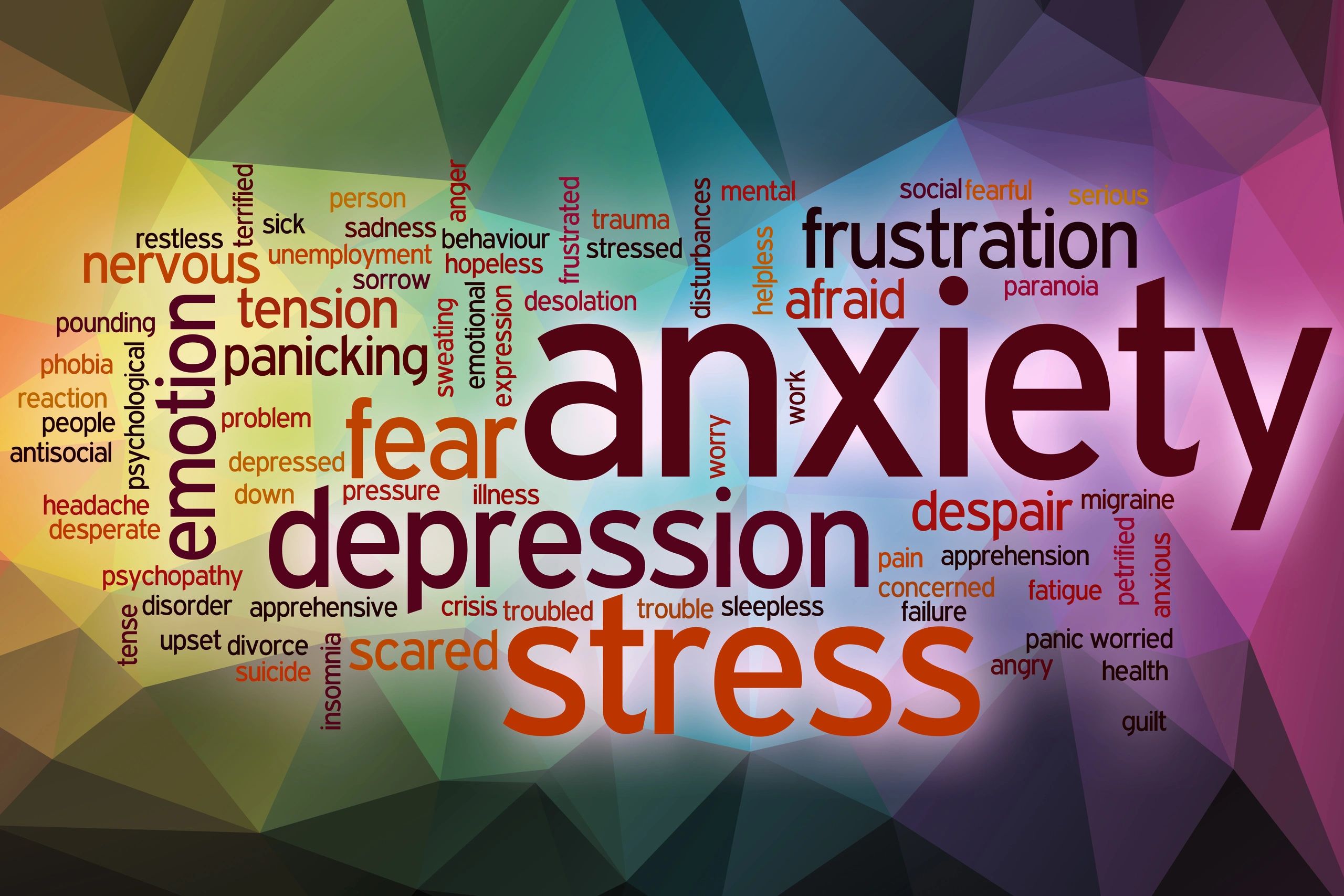
Physical symptoms often associated with emotional distress include nausea, vomiting, weight loss (from loss of appetite), and nightmares. While emotional distress can manifest itself in physical symptoms, it can also impact one’s mental health. Non-physical symptoms of emotional distress often include anxiety, depression, and post-traumatic stress disorder (PTSD).
There are different types of claims involving emotional distress, such as:
● Negligent or intentional infliction of emotional distress
● Parasitic emotional distress with bodily injury
● (Part of) loss of consortium
● (Part of) pain and suffering

Proving that You Are Suffering from Emotional Distress
While you can recover for emotional distress, proving it can be the difficult part. That’s why it’s even more important that someone who has been through a traumatic situation seek treatment for emotional distress as they would physical injuries. Treatment for emotional distress may be sought from a psychiatrist, psychologist, mental health therapist, or counselor.
Seeking professional help not only aids in one’s emotional and psychological recovery, but also provides documentation of the treatment received. Documenting your treatment received can help to bolster your case, as can testimony from your physician or other mental health professional. This testimony can often be used in negotiating a settlement with the other side or in supporting your case during trial.
In addition to the professionals whom you have been treated by, your family and close friends can also help to testify as to the ways in which your accident has changed your emotional wellbeing. The changes are often explained by comparing how you were prior to the accident to how your emotional state is after the accident. Regardless, it’s best for you to keep a journal of your mental and emotional symptoms after an accident as well as any changing levels of pain.
How Can You Quantify the True Cost of Emotional Distress?
Whereas you can generally calculate the cost of physical injuries, it can be much more difficult to quantify all of the costs associated with emotional distress. As mentioned, it’s best to keep records of the treatment that you have received.
The amount of money that someone can receive for emotional distress is dependent upon the specific facts and different in each case. However, Tennessee generally caps the amount of money that a plaintiff can claim for non-economic injury to $750,000. However, there are losses that are non-quantifiable but still extremely important.
While emotional distress can severely impact your life, it’s not always easy to prove. Here at Robert Bates & Associates, we will work to help prove these losses, such as loss of enjoyment of life, and loss of relationships (loss of consortium). Mr. Bates can also help to establish quantifiable valuations for how one’s emotional distress will impact their future (e.g. lost income due to emotional disturbance).

Hurt in a wreck? Don't wait. Call Bates.
Talk to the lawyer whose name is on the door. Free consultation, no fee unless we win.
Call (423) 765-1215