

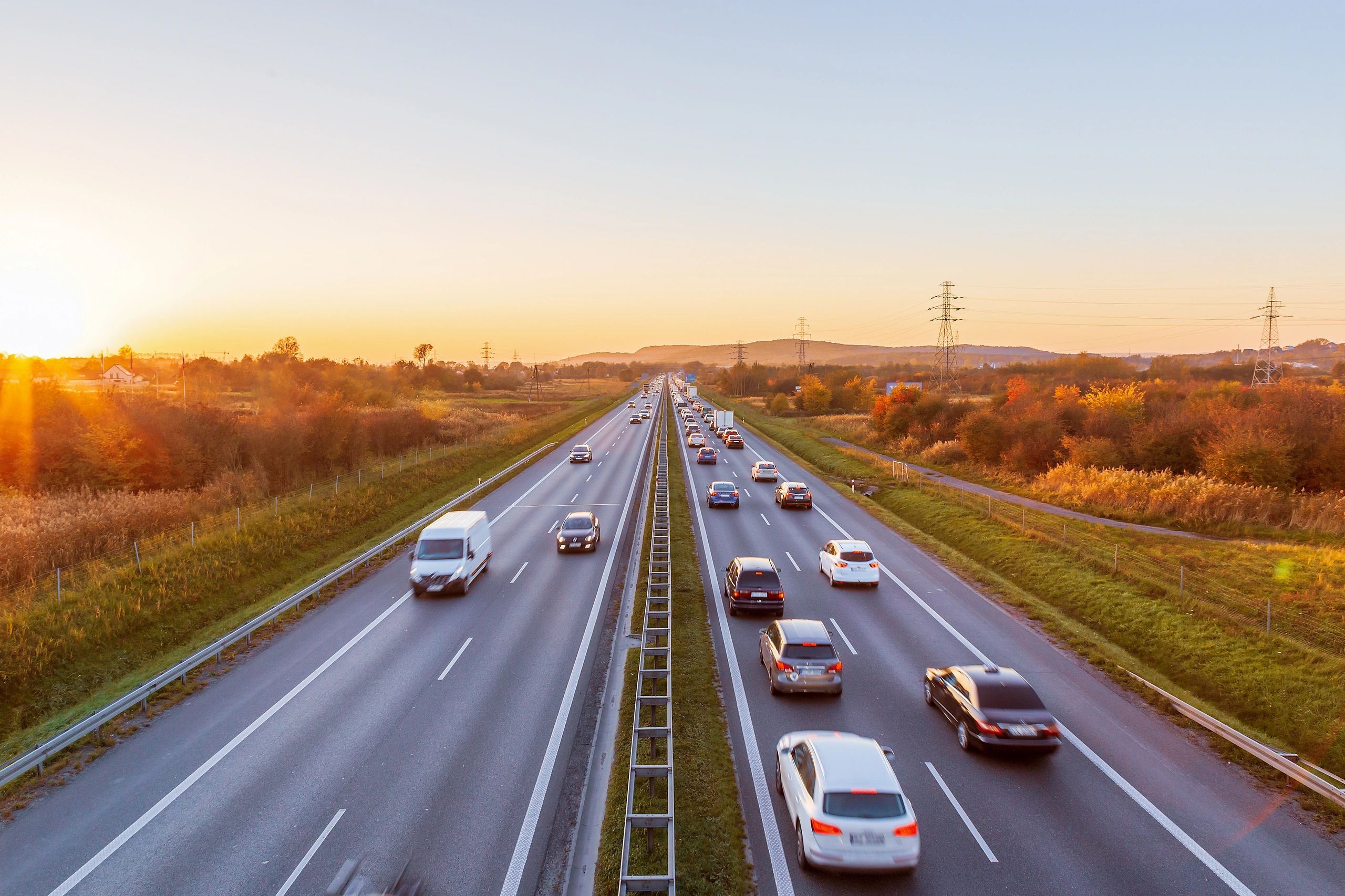
Not every Tennessean knows the answer of whether you can be a pedestrian on a highway in Tennessee. When driving along a highway in Tennessee, drivers rarely see people walking along the edge of the road. But there are specific laws that address this issue. The goal of these laws is to protect pedestrian safety, as well as promote the flow of traffic on the roadway.
Pedestrians have just as many rights as motorists do as they travel around, it just depends on where you are and what the rules of the road dictate. In other words, when does a pedestrian who is crossing a roadway not have to wait for traffic? It depends on where you are. If you are at an intersection, automobiles must yield to you when you are in the crosswalk and the walk signal is lit up.
Pedestrians are supposed to move along the sidewalk unless there is a crossing area designated for them. If you attempt a crossing in the middle of the street with no crosswalks or walk signals to guide you, then the vehicle does not have to yield to you. This is often known as j-walking.
With roads that have controlled access such as interstates, pedestrians are not allowed to use them to get from place to place. An accident involving a pedestrian on a highway would be extremely dangerous because of the high speeds, so Tennessee law dictates that they cannot use access-controlled roadways. However, some highways are not access-controlled, and pedestrians are allowed to be on those roads. They just have to follow the other rules of staying on the left side and using the shoulder when it is unobstructed.
Common Causes of Pedestrian Accidents
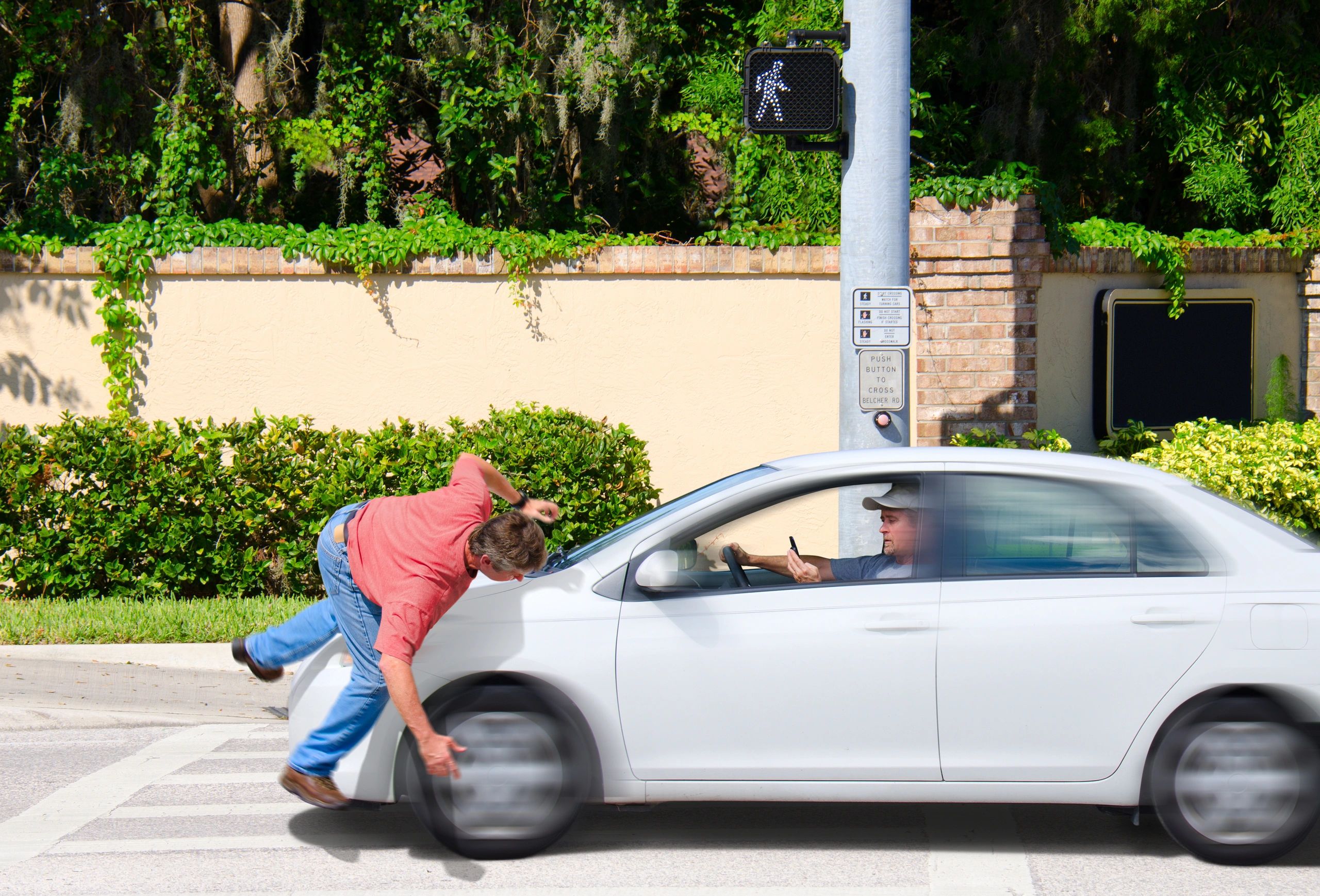
There are many types of pedestrian accidents, whether the victim is on foot or riding a bicycle. Pedestrians can be struck by a vehicle no matter what type of area they are in, whether it be urban or rural. The most common types of pedestrian accidents are:
● Pedestrians hit while walking in a crosswalk;
● Pedestrians riding a bicycle on the side of the road;
● Pedestrian hit while walking on country roads with limited visibility, no sidewalks, and winding roads;
● Pedestrians hit on a sidewalk because the driver lost control of their car or truck;
● Pedestrians hit on the side of a rural road because there is no berm and the road is narrow; and
● Pedestrians hit because of improper signage or warnings for pedestrian crossings.
Common Pedestrian Accident Injuries
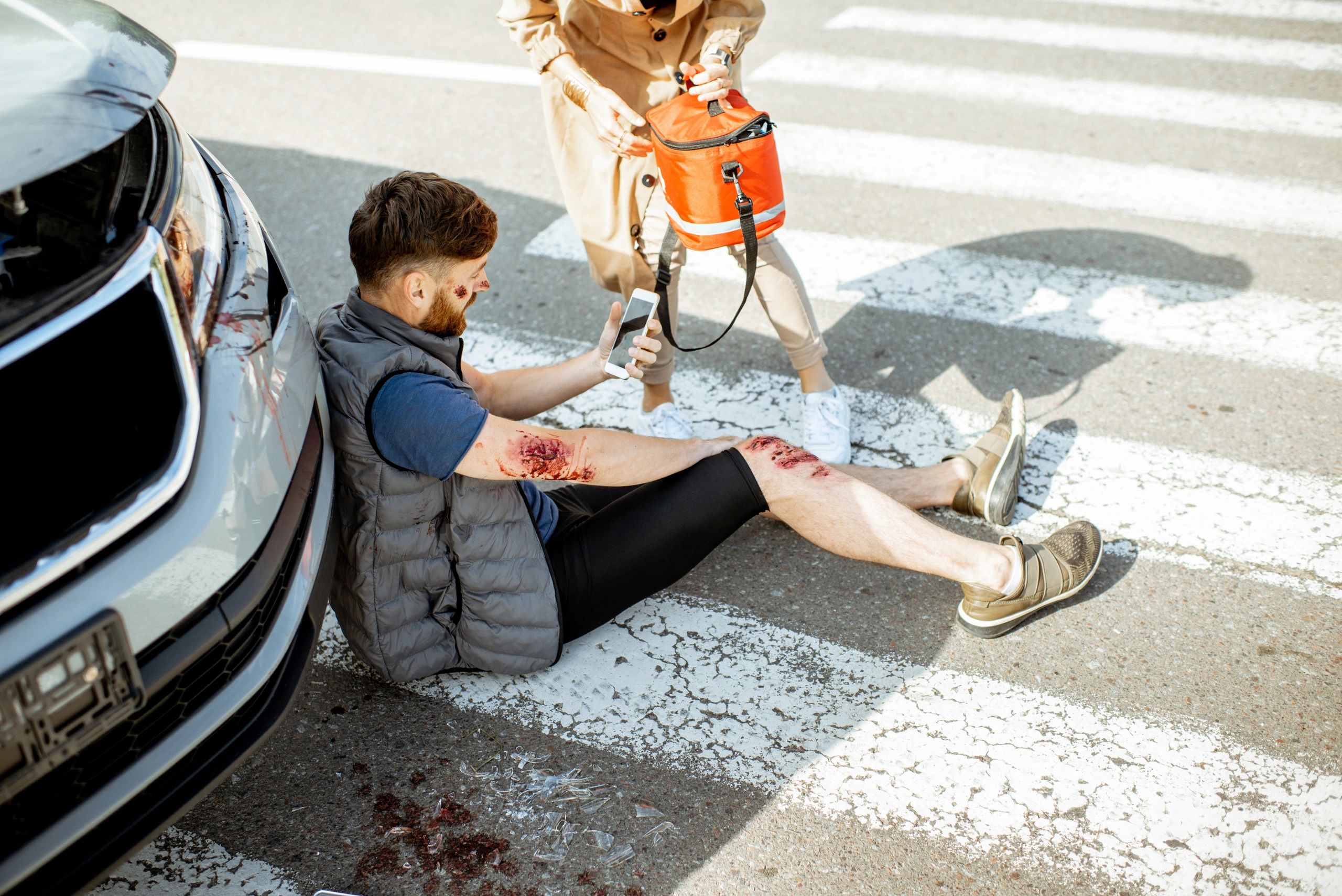
The injuries suffered by pedestrians when they are struck by a car or truck, especially when the vehicle is traveling at great speed, are usually very serious. In many pedestrian accidents, the victim is killed because there is nothing protecting the person walking or riding their bicycle. The most common pedestrian accident injuries we see are:
● Fatalities
● Amputations of the limbs
● Multiple broken bones and fractures
● Crush injuries
● Facial fractures
● Skin abrasions, road rash, or serious friction burns requiring surgical repair and skin grafting
● Traumatic Brain Injuries (TBI), such as concussions, fractured skulls, bleeding of the brain, swelling of the brain (cerebral edema), and bruising of the brain
● Paraplegia
● Quadriplegia
● Spinal cord injuries
● Herniated discs
The law office of Robert Bates & Associates represents seriously injured people in and around the Tri Cities region of Tennessee. We have been successfully representing car and truck crash victims for over a decade. Contact us for a free consultation.

Hurt in a wreck? Don't wait. Call Bates.
Talk to the lawyer whose name is on the door. Free consultation, no fee unless we win.
Call (423) 765-1215