

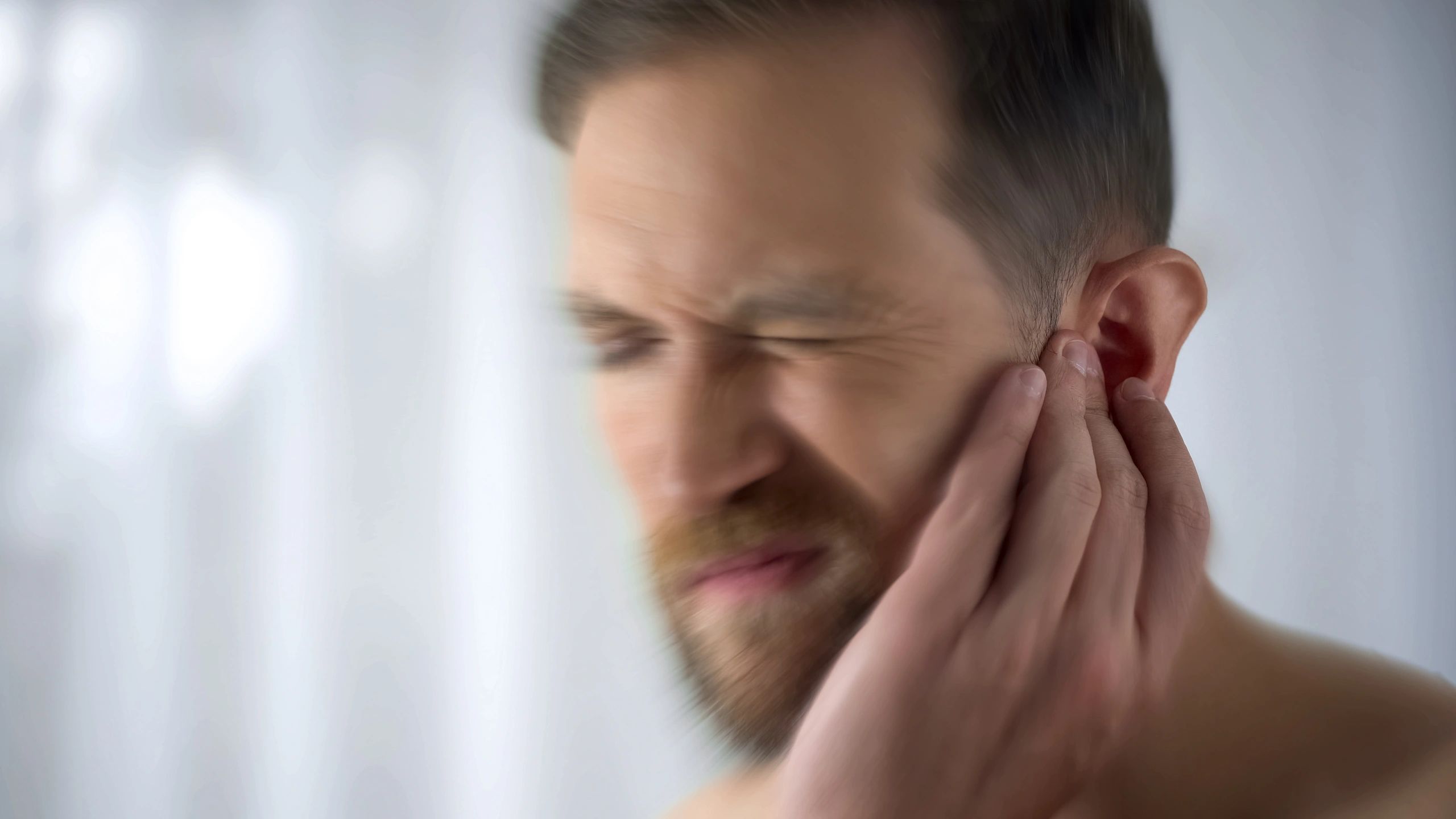
There are many types of injuries that someone can get after a car or truck accident. Many people suffer from broken bones, torn muscles and ligaments, and spinal injuries such as herniated discs. But one injury that you do not see very often related to car wrecks is hearing loss. Even though this condition is not common, it does happen sometimes after serious car crashes. We would like to point out what types of injuries from a car or truck accident could affect one’s hearing.
Which Car Accident Injuries Cause Hearing Problems?
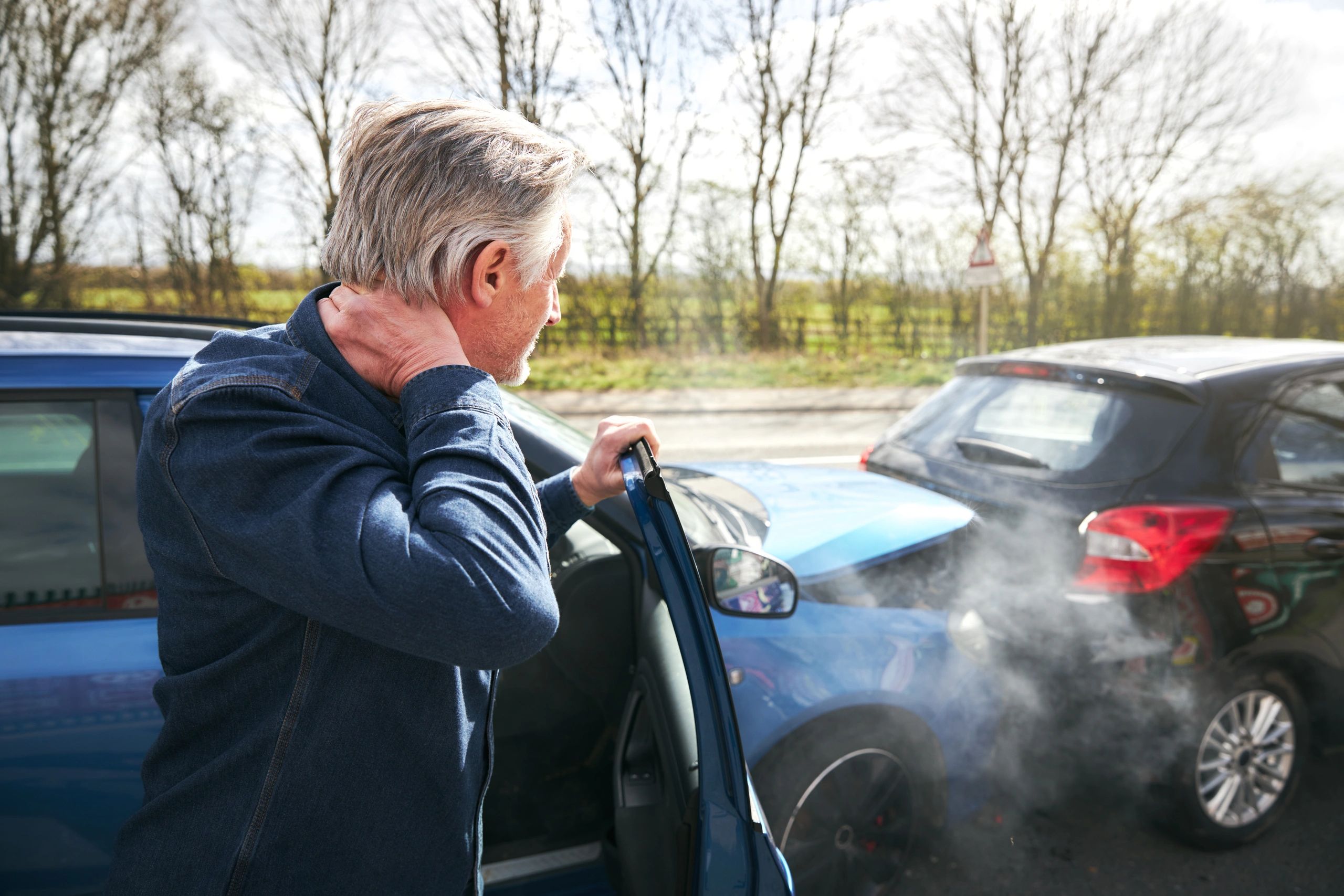
Any injury that damages the auditory nerve could ultimately affect someone’s hearing. This is called Acoustic Trauma. Acoustic Trauma can cause short term or even long-term hearing loss depending upon the severity of the injury. Hearing loss can occur due to blunt force trauma, intense exposure to blaring noises, or imbalances of air pressure in or around the ear following a car accident. Here are some common injuries that might affect hearing:
● Whiplash injuries: A whiplash injury is where the force of the crash will cause the person’s head to whip back and forth, usually causing severe injuries to the neck such as torn muscles, torn ligaments/tendons, and herniated discs. If the whiplash motion is severe enough, it can also rupture the inner eardrum.
● Head injuries: People often suffer from head injuries during a car or truck collision. Whether it is hitting the steering wheel or the force of the impact of the air bag, people can suffer from Traumatic Brain Injuries (TBI). These can range from concussions to fractured skulls. One symptom that stems from TBIs is tinnitus. Tinnitus is a condition that creates a constant ringing in the ears. If it is severe enough, a person can lose all other hearing. The ringing can be quite debilitating, preventing people from concentrating, causing sleeplessness, anxiety, depression, and preventing them from working.
● Sudden sensorineural hearing loss occurs when the cochlea is damaged or when there is a disruption between the nerves and their connections to the brain. The degree of head trauma from a car accident will usually determine whether the hearing loss is temporary or permanent, but the only way to know for sure and to come up with the best treatment plan is to be evaluated by an otolaryngologist.
● Unilateral hearing loss (UHL) means that hearing is normal in one ear but there is hearing loss in the other ear. The hearing loss can range from mild to very severe. UHL can be caused by injuries to the side of the head or one ear or an exposure of one year to very loud noises.
What Should I Do if I am Experiencing Hearing Loss After a Collision?
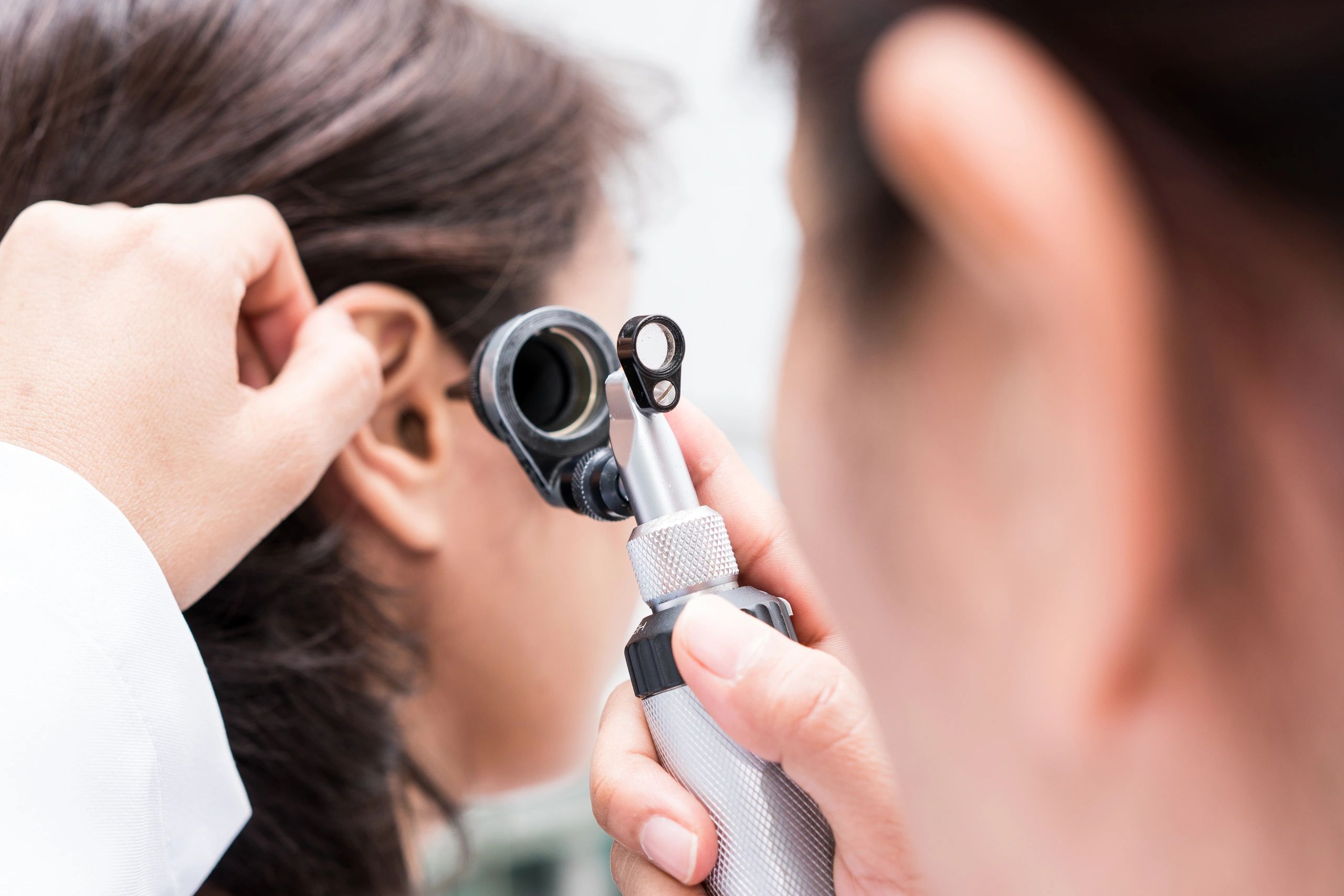
If you believe you have suffered from hearing loss related to an automobile accident, here are some things you should first focus on:
● Seek medical attention: Make sure to see a doctor as soon as possible. Not only will the doctor be able to help you get better more quickly, but it will help any personal injury case you may have. The doctors can order diagnostic tests and a treatment regimen. A doctor will also be able to give their expert medical opinion on whether the hearing loss was caused by the trauma of the accident.
● Report the accident to your insurance company: The sooner your insurance company knows about the accident the better, especially if the other driver was at fault and negligent. Your insurance company will be able to help with some medical bills, possible wage loss, and investigating the cause of the accident.
● Contact an experienced car or truck accident lawyer: Getting a lawyer involved as quickly as possible is the best course of action. It is a mistake to think you can handle a complicated case yourself. The defendant’s insurance company will have a small army of people working on their side to make sure you get as little money as possible. You have the right to have knowledgeable and skilled attorneys fighting on your side with the resources to take on big insurance companies. You deserve to get the full and fair compensation for your injuries and losses.

Hurt in a wreck? Don't wait. Call Bates.
Talk to the lawyer whose name is on the door. Free consultation, no fee unless we win.
Call (423) 765-1215